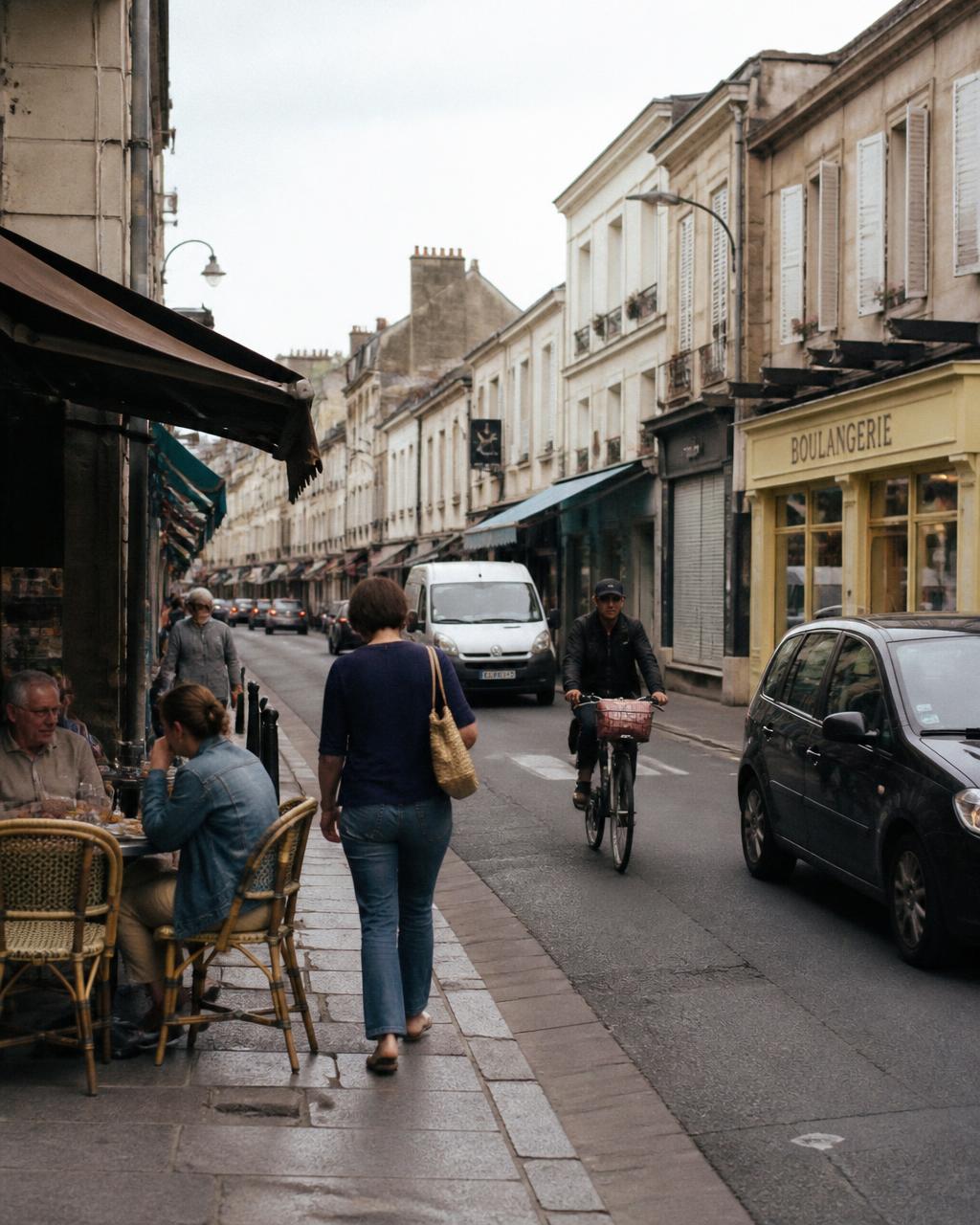
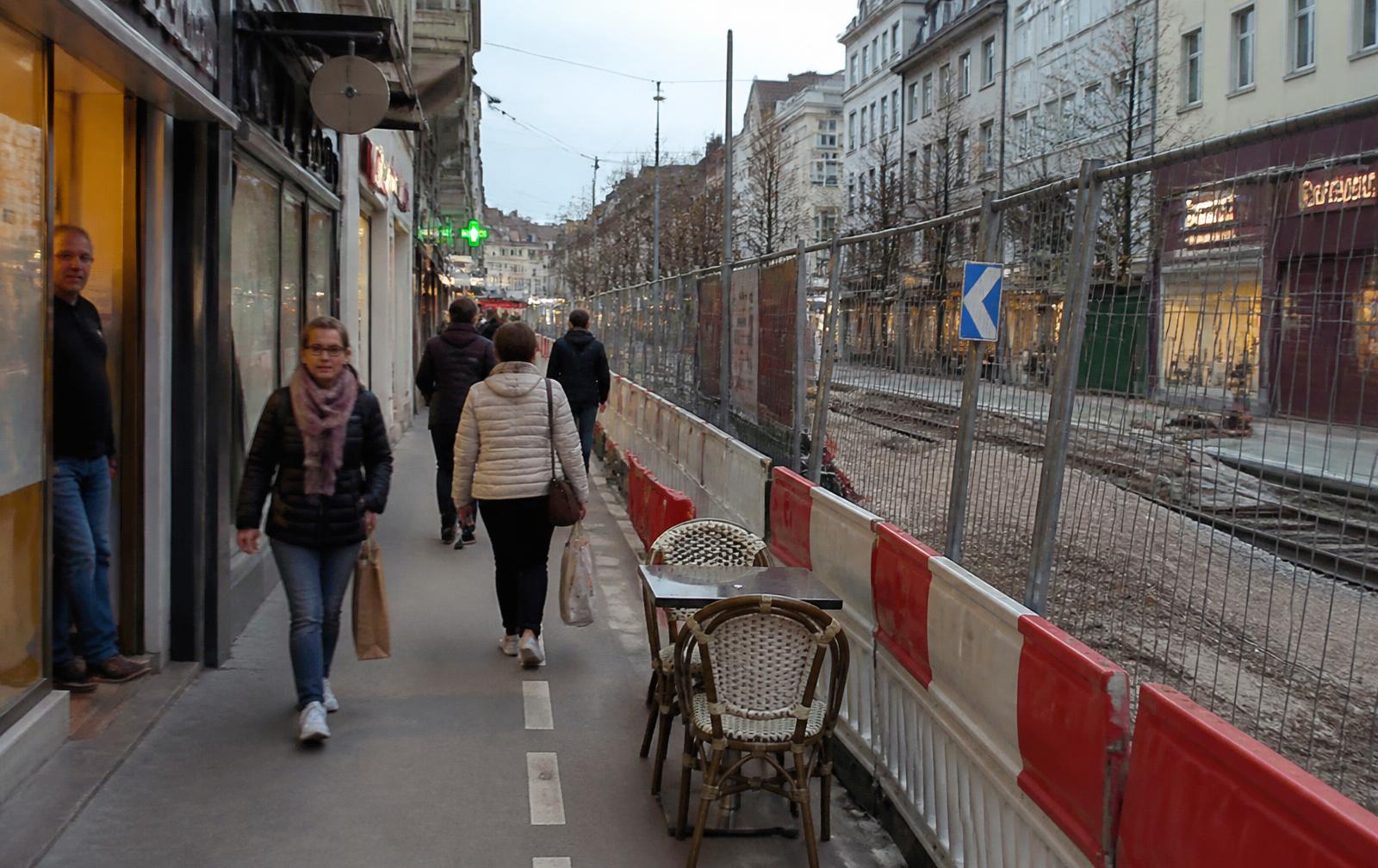
At the planned opening at 30 months, the corridor still counted its historic shops: short-segment phasing limited each shopfront's exposure time, and the targeted €8M compensation — instead of the €12M of a uniform mechanism — was absorbed by the shops it aimed at.
Passenger traffic matched the metropolitan authority's projections, and the twelve monthly events kept a reason to come during the works, with an average of 4,000 visitors per event. The simulation had placed the tipping point in the technical segmentation of the works, not in the compensation amount: that is where the decision acted.
The regional precedent — a 40% commercial die-off during construction — did not repeat. The corridor went through the construction with its fabric of independents intact, and the trajectory projected over 36 months after opening remains tracked by the project committee. These findings are the ones documented by the sponsor.
- COMMERCIAL FABRIC
- the historic shops went through the works, where the regional precedent had lost 40% of its fabric
- COMPENSATION
- €8M targeted instead of €12M uniform, directed at shops identified by their function
- ACTIVITY DURING THE WORKS
- twelve major events, an average of 4,000 visitors, a shopkeepers' association carrying the communication
- INDUSTRIAL OVERCOST
- 4% accepted on the renegotiated phasing, the parameter the simulation had identified as decisive