A
CONVAINCRE
Strong climate messaging, project essentially unchanged
- clear and coherent message
- schedule controlled by the operator
- climate argument set against local lived experience
- risk of opposition crystallizing
ENERGY · LOCAL ACCEPTABILITY
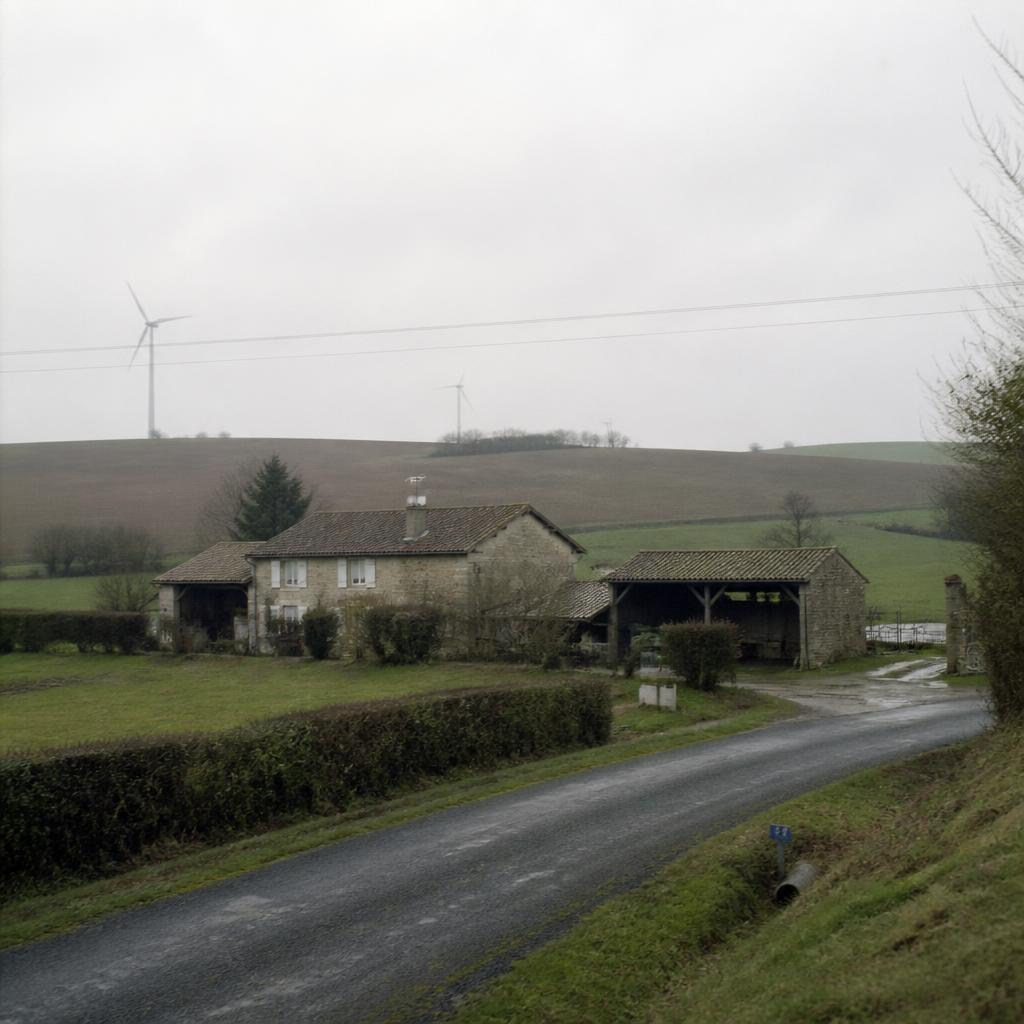
An energy company is considering a wind farm in a rural territory. At a general level, the energy transition enjoys strong support. But that support does not predict the acceptability of a concrete project.
Proximity to the installations, landscape, trust in the operator, perceived fairness, the way the decision is made and the distribution of benefits can turn support in principle into local opposition.
PRINCIPE
Broad support for the transition
PROXIMITY
A project visible from home
DECISION
A process perceived as already decided
THE PROBLEM
This apparent contradiction is not an anomaly to be corrected through education: it is precisely what must be explored. Reducing it to a reflexive rejection of proximity would miss what is actually happening in the territory.
Acceptability does not depend on a single opinion about energy. It is built at the intersection of several mechanisms whose weight differs from person to person.
The decision is therefore not simply: how do we convince residents? It is: what conditions allow the project to remain acceptable once it becomes concrete, local and visible?
THE SIMULATION
The six strategies were tested against the same population to isolate the effects of narrative, consultation timing, the nature of the benefits and the degree of influence actually given to residents.
SIMULATED POPULATION
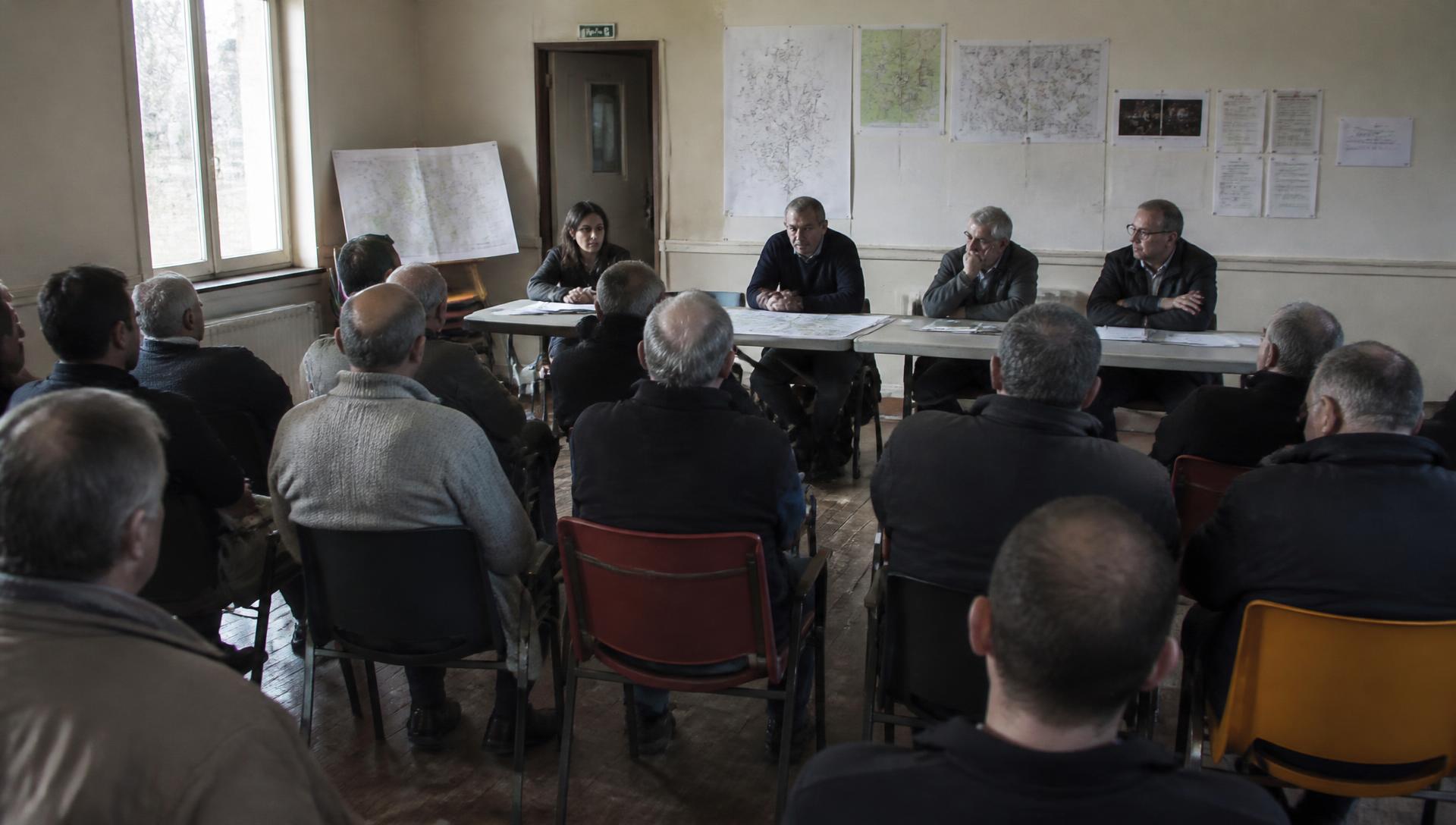
A territory does not divide into pro-wind and anti-wind camps. Positions emerge from distance to the project, relationship with the landscape, rootedness, economic situation and trust in institutions and operators.
The simulation preserves these dimensions rather than averaging them, so internal disagreements within the territory remain visible.
NEARBY RESIDENTS
live within direct sight of the proposed installations
MORE DISTANT RESIDENTS
concerned by the territory without daily visual exposure
FARMERS AND LANDOWNERS
direct economic and land relationship with the project
FAMILIES ESTABLISHED FOR GENERATIONS
strong attachment to the landscape and the memory of the place
NEW RESIDENTS
recent arrival, often motivated by quality of life
WORKERS EMPLOYED OUTSIDE THE AREA
part-time local presence, low participation in community life
SENSITIVE TO CLIMATE ISSUES
strong support for the transition, demanding about how it is implemented
ATTACHED TO LANDSCAPE AND HERITAGE
vigilance about shared sightlines and the territory's identity
LOW TRUST IN LARGE ORGANIZATIONS
mistrust focused more on the process than the technology
These configurations reveal part of the population's heterogeneity. The simulation operates on synthetic individuals, not a handful of persona types.
REACTIONS
SUPPORT FOR THE TRANSITION DOES NOT GUARANTEE SUPPORT FOR THE PROJECT
In the simulation, people who strongly support wind power in general express serious reservations as soon as the project becomes local, visible and dated. Support in principle does not predict a concrete position.
THE PROCESS MATTERS ALMOST AS MUCH AS THE PROJECT
A project perceived as already decided before consultation generates greater mistrust, including among residents who have no objection to the project itself. The chronology of the decision becomes an argument.
FAIRNESS IS MORE POWERFUL THAN COMPENSATION
The sense that the value created genuinely benefits the territory appears more robust than a logic of individual benefits, which can be interpreted as an attempt to buy acceptance.
Imagine All The People does not simply ask an LLM to imagine how a population might react. Several strategies are tested against a coherent, heterogeneous synthetic population to explore reactions, contradictions, individual differences and conditions for success before drawing a conclusion.
RESULT
Comparative reading derived from simulated reactions. No strategy is optimal across all three dimensions: co-design produces the most robust trajectory, but retains a residual risk of opposition, particularly when the process lengthens the schedule or changes the initial project.
THE MOST ROBUST
Early consultation real influence shared benefits
THE MOST FRAGILE
Climate argument compensation individuelle decision already made
TAKEAWAY
Acceptability does not come only from the project's intrinsic quality or the strength of climate arguments. It also depends on how the territory enters the decision.
When is it consulted? What can it actually influence? How are benefits distributed? Is the process perceived as fair? These four questions shape the project's trajectory more than the content of the narrative that accompanies it.
POSSIBLE FUTURES
A
CONVAINCRE
Strong climate messaging, project essentially unchanged
B
COMPENSATE
Project maintained, stronger economic redistribution
C
SHARE THE DECISION
Early consultation, capacity to influence, local benefits
METHOD
Imagine All The People does not ask a model to imagine what a resident might think of a wind farm. Six ways of embedding the same project in a territory are tested against a coherent, heterogeneous local population to observe reactions, internal disagreements and conditions of acceptability before the decision is made.
This case comes from a completed simulation. The organization and territory are not named where confidentiality requires it. The decision, mechanisms tested and lessons are presented without revealing information that could identify the client.
Your next decision
Describe your need. We can point you to the right level of support.
State your decision. See the future it produces.