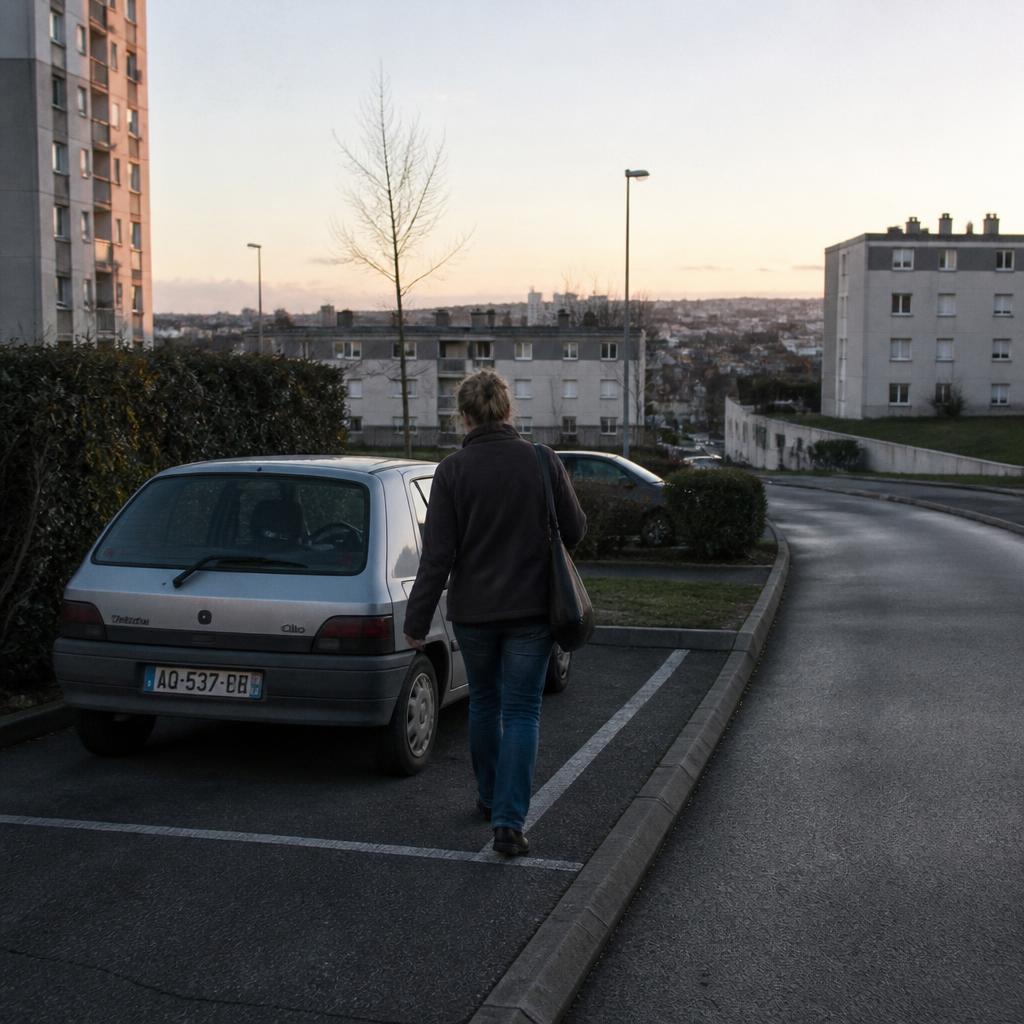
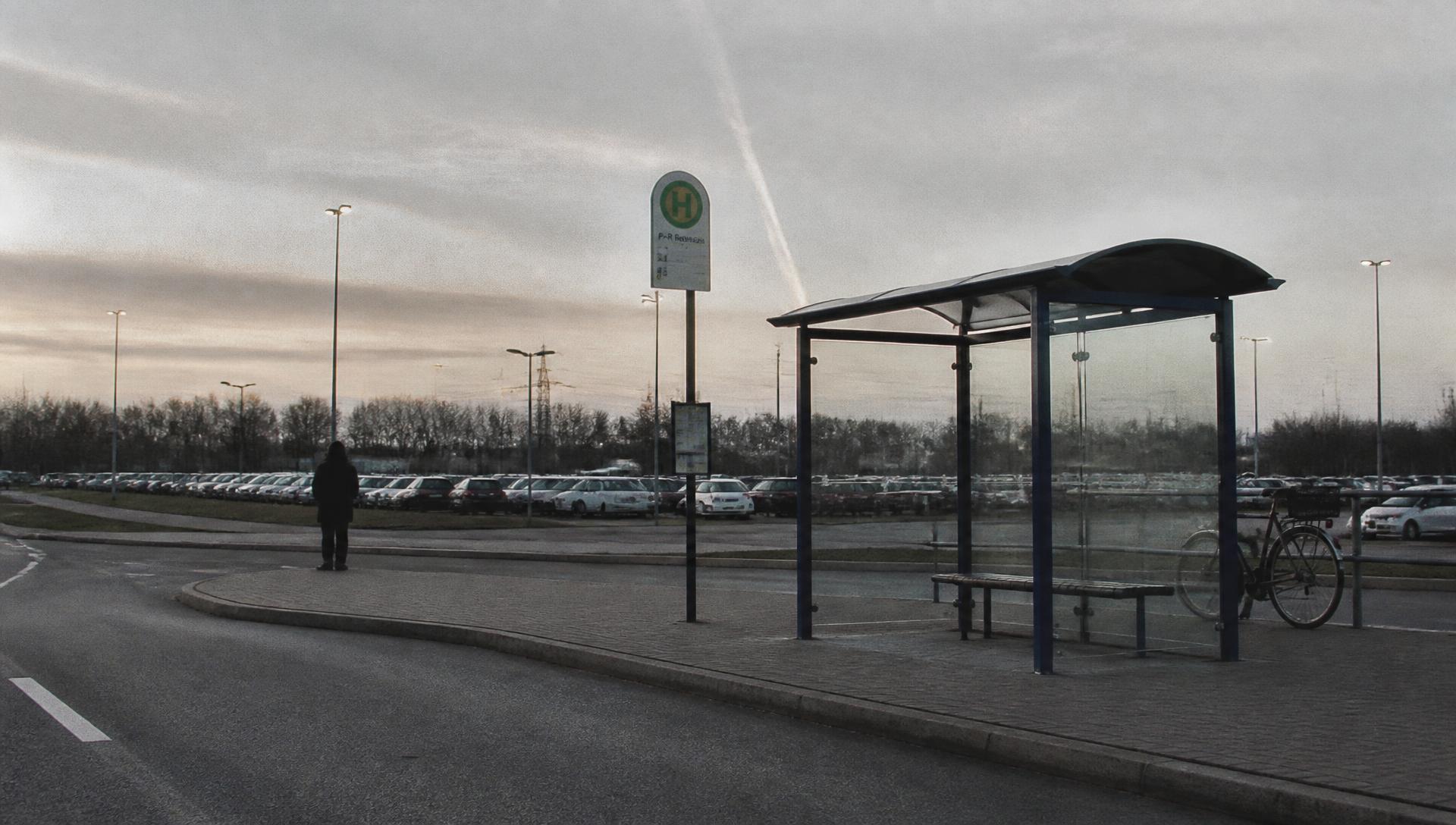
Two people who own exactly the same vehicle can react in opposite ways. One takes the subway, works from home two days a week, shifts their schedule or changes vehicle within the year. The other works on-site, lives outside the transit network, starts very early, carries equipment, and has a very tight budget.
The category of “affected drivers” is therefore far too coarse to inform the decision. What needs to be simulated is not vehicle ownership, but the capacity to adapt.
The political risk was identified from the outset: the de facto exclusion of low-income workers in peri-urban rings for whom the car is the only access to the metropolitan core — home-care workers, independent tradespeople, construction workers, cleaning staff on shifted schedules. What remained unknown was the effect of the different possible architectures of the mechanism on these situations.