TRANSFORM
Test a transformation on the people who will actually have to live with it.
A transformation does not apply to an abstract organisation: it applies to routines, constraints and arrangements already in place. They are what determines the outcome.
- 01CURRENT SYSTEM
- 02TRANSFORMATION
- 03POPULATIONS
- 04ADAPTATIONS
- 05SIDE EFFECTS
- 06NEW EQUILIBRIUM
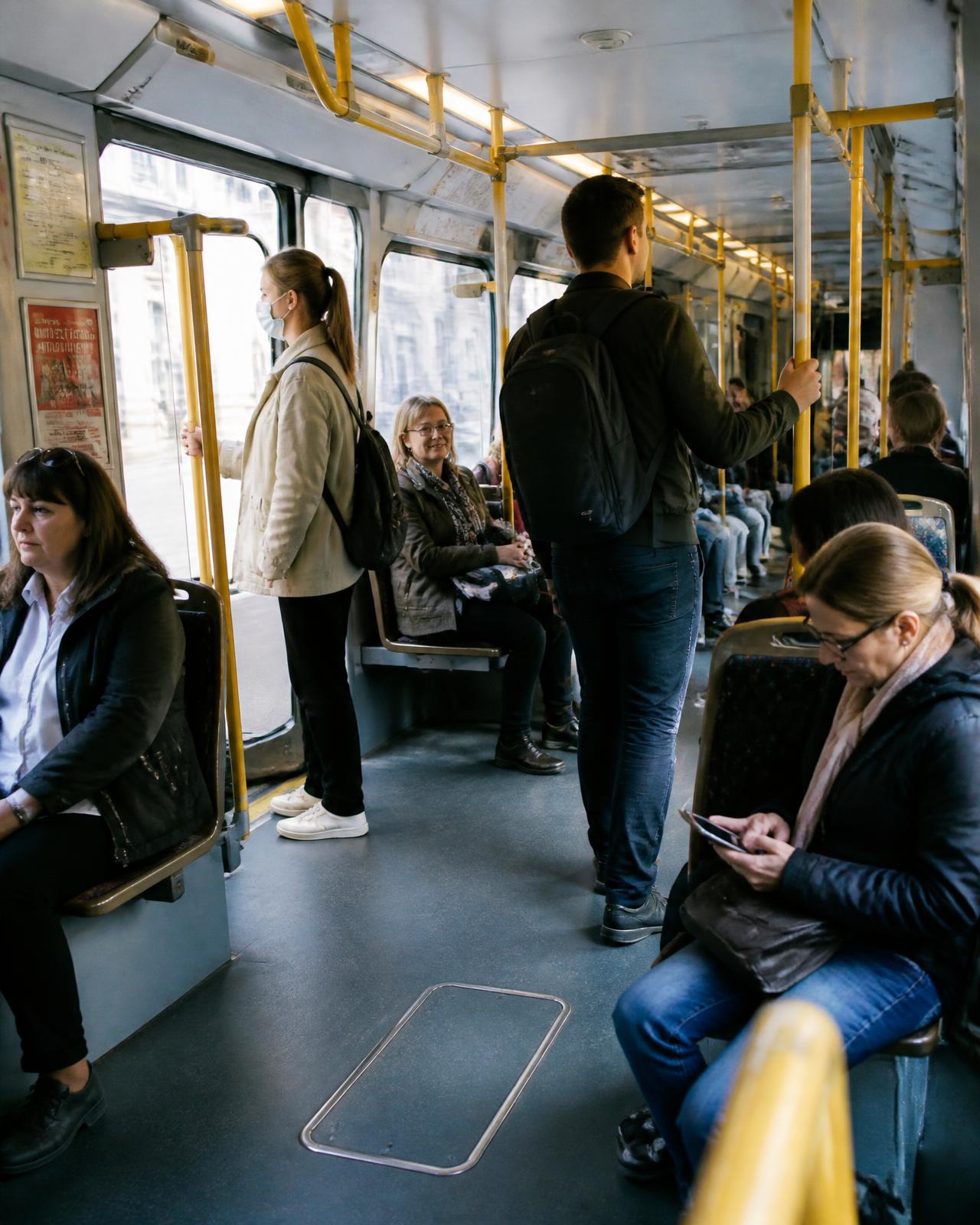
02 — WHAT THIS DECISION ACTUALLY CHANGES
What actually moves.
A transformation breaks practices that were never documented, and often unknown to those deciding.
The cost of change is never evenly spread: it concentrates on a few populations.
Local adaptations can cancel out the expected benefit without ever producing visible conflict.
03 — WHAT MUST BE SIMULATED
What must be simulated.
- The real practices threatened by the new system
- The populations that will bear the cost of adaptation
- The likely workarounds and their effect on the expected benefit
- The real time to appropriation, beyond deployment
04 — POPULATIONS CONCERNED
Populations concerned.
- Populations whose work or daily life changes directly
- Populations exposed indirectly, through spillover or displacement
- Middle management, tasked with absorbing the gap
- External audiences who live with the system without having chosen it
05 — MECHANISMS TO OBSERVE
Mechanisms to observe.
- Existing routines and new frictions
- Material constraints and capacity to adapt
- Resistance, workaround, partial adoption
- Displacement effects onto other populations
- Invisible costs and emerging practices
06 — EXAMPLE QUESTIONS TO TEST
Questions to test.
- “Which practices are we going to break?”
- “Who will actually bear the cost of the change?”
- “Which adaptations will appear?”
These formulations are examples of testable decisions. They do not report on any executed simulation.
07 — REAL CASE STUDIES
Decisions already tested.
- URBAN PLANNING & MOBILITY“How can a tramway be introduced along a historic shopping corridor without driving out the local businesses that give the neighborhood its character?”340 exposed businesses · service launch at month 30 · 36 months projected
- HUMAN RESOURCES & ORGANIZATION“How can collective presence be increased without turning an organizational policy into a loss of autonomy?”Profiles combining occupation, commuting constraints and collaboration needs
- RETAILAnticipate how the bulk-food aisle will evolve over 5 years in a general retailer.3.4M shoppers · 13 attitudes-to-bulk profiles · 60 months
- ENERGY & UTILITIES“How can a new generation of smart meters be deployed without reactivating historical opposition?”3.8M households · 15 profiles · 36 months
- URBAN PLANNING & MOBILITY“How can a historic city center be pedestrianized without driving away downtown residents?”420,000 residents and workers · 36 months of trajectories
- FRAUD PREVENTION“How can a predictive AI system be designed to identify fraud-risk profiles without discriminating against legitimate customers or exposing the insurer to reputational risk?”2.2M policyholders · 17 attitudes-to-control profiles · 24 months
08 — HOW IMAGINE ALL THE PEOPLE SIMULATES
The method applied to this decision.
- Describing the current system as it is actually experienced, population by population.
- Injecting the transformation into that system, with no assumption of buy-in.
- Observing adaptations, workarounds and displacement effects.
- Comparing several deployment options.
Explore another decision
- LaunchTest what will drive adoption — or rejection — of something new.
- PriceUnderstand what a price change actually transforms in people's behaviour.
- RepositionChange perception without destroying the value that was already there.
- ReformTest a new rule on the populations that will actually have to live with it.
- ArbitrateCompare several possible futures before making a decision that is hard to reverse.
- AnticipateExplore what can happen when behaviours evolve over time.
- ReactTest a response when time, trust and cascading reactions become critical.
Your next decision
Which decision do you want to explore?
Describe your need. We can point you to the right level of support.