DECISION INTELLIGENCE
Test the transformation on the people who will actually have to adopt it.
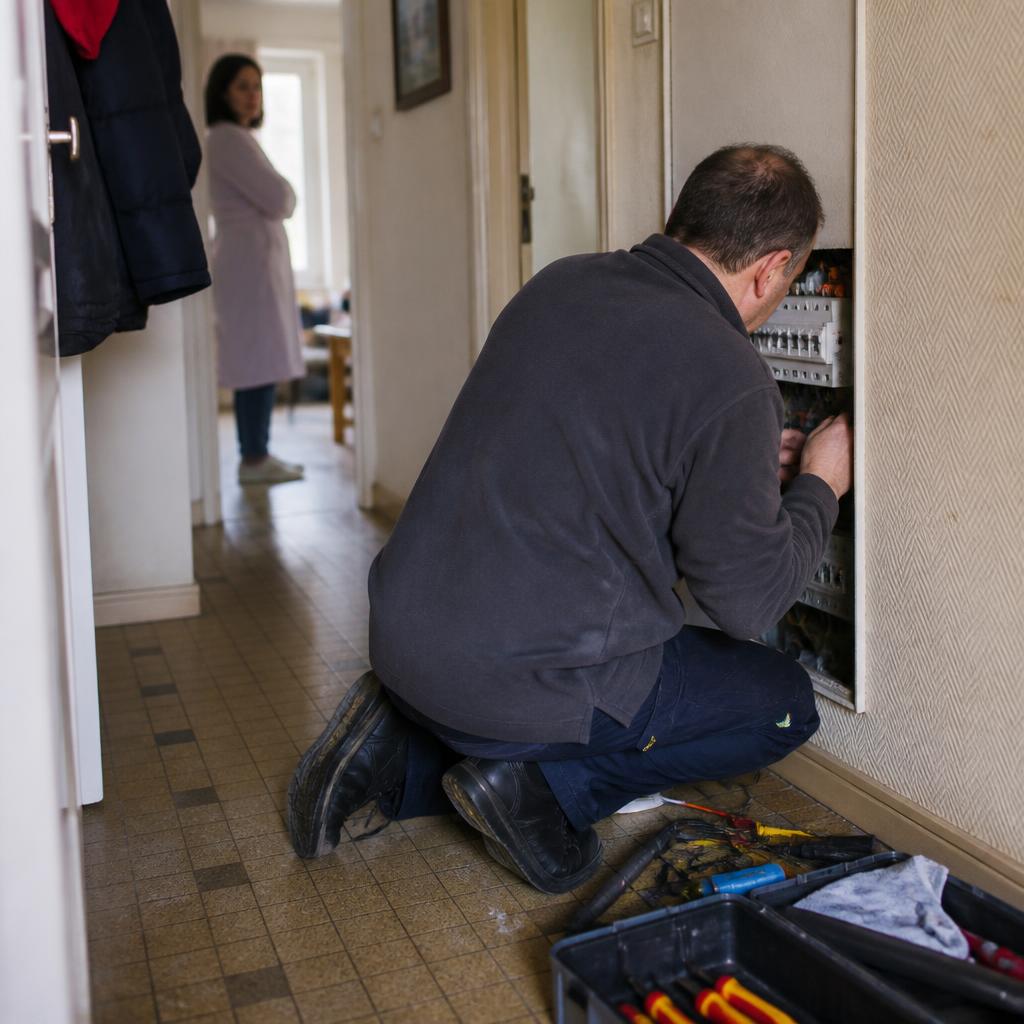
An innovation does not replace a vacuum: it replaces an existing system, with its habits, workarounds, and reasons for being. Imagine All The People lets you observe what adoption will concretely require from the populations concerned.
Innovation = a new system that has to work in the real world
02 — THE DECISIONS THIS FUNCTION HAS TO MAKE
Decisions, not issues.
- Deploy a new system, tool, or service
- Move from pilot to real scale
- Replace an existing system that still works
- Choose the pace and sequence of rollout
- Decide what to preserve from the existing system
- Balance simplicity for the organization against effort for the user
03 — WHY TRADITIONAL METHODS ARE NOT ALWAYS ENOUGH
What standard approaches can miss.
- Acceptability tests measure the appeal of an idea, not the learning cost it imposes.
- Pilots unintentionally select the populations most willing to adopt.
- Usage evaluation happens after rollout, when the structural trade-offs have already been made.
- The decisive frictions are often invisible in a meeting room and obvious in real use.
04 — WHAT WE ENABLE YOU TO SIMULATE
What becomes possible to test.
- The friction that blocks adoption despite favorable intent
- The segment that adopts first and what its adoption signals to others
- What must be preserved from the existing system for the new one to hold
- The system that succeeds in a pilot and degrades at scale
- The population that actually bears the cost of the transformation
- The new routines that do — or do not — stabilize after a few months
CORE MECHANISM
An innovation is not judged by the interest it generates, but by what it requires people to change.
Between favorable intent and established use come a new system, concrete frictions, a period of adaptation, and then, potentially, new routines.
Each stage loses some potential adopters. Simulating the transformation means identifying where that loss occurs, in which population, and what could reduce it.
- Innovation
- New system
- Frictions
- Adaptation
- Adoption
- New routines
05 — POPULATIONS INVOLVED
Populations involved.
- End users of the new system
- Frontline professionals
- Middle managers responsible for rollout
- Populations furthest from the tool or service
- Technical partners and service providers
- People who depend on the system being replaced
06 — MECHANISMS TO OBSERVE
Mechanisms to observe.
- Friction
- Learning cost
- Workaround
- Sequential adoption
- Loss of an existing use
- Stabilization of routines
07 — CASE STUDIES
Decisions of this kind already tested.
- ENERGY & UTILITIES“How can a new generation of smart meters be deployed without reactivating historical opposition?”3.8M households · 15 profiles · 36 months
- SOCIAL PROGRAMS“How can a digital benefits-access platform be deployed without increasing non-take-up among the most vulnerable groups?”340,000 potential beneficiaries · 14 profiles · 24 months
- RETAILAnticipate how the bulk-food aisle will evolve over 5 years in a general retailer.3.4M shoppers · 13 attitudes-to-bulk profiles · 60 months
- HEALTHCARE“ How can a new emergency-care protocol be rolled out without triggering resistance from healthcare teams ? ”2,400 emergency-care professionals · 11 profiles · 18 months
- URBAN PLANNING & MOBILITY“How can a new mixed-use district be designed on a brownfield site so that social mix endures over 10 years?”1.4M residents and workers · 18 profiles · 120 months
- PUBLIC POLICY“Anticipate adoption of a shared-mobility plan in low-density areas over 5 years.”2.4M rural workers · 60 months of trajectories
08 — IN YOUR WORK
How this fits into the function’s day-to-day work.
- 01SYSTEM
- 02REAL POPULATIONS
- 03USAGE SITUATIONS
- 04FRICTIONS
- 05ADOPTION TRAJECTORIES
- 06ROLLOUT
- Before a pilot: identify the populations the pilot will not see.
- Between pilot and scale-up: test what degrades when support is removed.
- During rollout: treat workarounds as a signal, not an incident.
RELATED DECISIONS
Related decision types
- TransformChange an existing system without triggering the side effects that cancel out the expected benefit.
- LaunchTest what will drive adoption — or rejection — of something new.
- AnticipateExplore what can happen when behaviours evolve over time.
- ArbitrateCompare several possible futures before making a decision that is hard to reverse.
Another function
- Executive leadershipThe decisions with the greatest consequences are judged by their indirect effects, which often become visible too late to correct.
- StrategyA strategic scenario describes a future; that future depends on what real populations will do.
- Marketing & BrandWhat people prefer in a test does not tell you what they will do in store, online, or after three months of use.
- Research & InsightsThe need is no longer one study per question, but a permanent capability to investigate decisions.
- Public affairsA public decision is shaped less by whether it is justified than by how each group interprets it.
- Human resourcesOne internal rule can produce very different effects depending on the jobs to which it applies.
Your next decision
Which decision do you want to explore?
Describe your need. We can point you to the right level of support.